The 4 Best Nakiri Knives on Amazon in 2026
As an Amazon Associate we may earn from qualifying purchases. Our picks are independently researched, written by TwelveTabs AI and never sponsored.
The top picks
- A 15-degree edge on a 7-inch nakiri: HOSHANHO 7-Inch Nakiri Knife
- A wave-pattern 7-inch blade: PAUDIN 7-Inch Nakiri Knife
- A Japanese-made nakiri with Damascus cladding: Shun Classic 6.5-Inch Nakiri Knife
- Forged German steel in a nakiri shape: Mercer Culinary Genesis 7-Inch Nakiri Knife
Our top pick is the HOSHANHO 7-Inch Nakiri Knife, a 7-inch Japanese-style vegetable knife whose listing names a 15-degree edge angle and Japanese 10Cr15CoMoV high-carbon stainless steel. We read 120 Amazon search cards for “nakiri knife”, set aside sponsored repeats, knife sets, other knife styles and listings that share one review total across different knives, and compared ten pages.
For a wave-pattern blade in a 7-inch nakiri, the PAUDIN 7-Inch Nakiri Knife. For a Japanese-made knife with Damascus cladding, the Shun Classic 6.5-Inch Nakiri Knife. For forged German steel in a nakiri shape, the Mercer Culinary Genesis 7-Inch Nakiri Knife.
How this pick was made
HOSHANHO 7-Inch Nakiri Knife is the top pick. This is the work behind that choice.
- 96Amazon search results read, across 1 search
- 10finalist pages read in full
- 32shopper reviews read
- 2expert sources cross-checked: Japanese Knife Lab, Serious Eats
Run on October 5, 2026. AI read the listings and what shoppers say, then wrote this guide. Full method and limits
Our picks in detail

HOSHANHO 7-Inch Nakiri Knife
Best for: A 15-degree edge on a 7-inch nakiri
- $64.99
- 4.7 (1,947 reviews)
- 1K+ bought last month
- ★ Amazon's Choice
- Prime
- Pros Listing names a hand-polished 15-degree edge angle
- Cons The listing text we read gives no weight or blade thickness
Prices and ratings as of October 5, 2026.
Pros, cons and what reviewers say

PAUDIN 7-Inch Nakiri Knife
Best for: A wave-pattern 7-inch blade
- $26.17
- 4.6 (4,886 reviews)
- 1K+ bought last month
- ★ Amazon's Choice
- Prime
- Pros Listed as an all-purpose nakiri for slicing, dicing and chopping
- Cons The title also calls it a meat cleaver
Prices and ratings as of October 5, 2026.
Pros, cons and what reviewers say

Shun Classic 6.5-Inch Nakiri Knife
Best for: A Japanese-made nakiri with Damascus cladding
- $169.95
- 4.8 (1,072 reviews)
- 100+ bought last month
- Prime
- Pros Listed as a specialized vegetable knife for slicing and dicing
- Cons At 6.5 inches it is the shortest blade here
Prices and ratings as of October 5, 2026.
Pros, cons and what reviewers say

Mercer Culinary Genesis 7-Inch Nakiri Knife
Best for: Forged German steel in a nakiri shape
- $53.95
- 4.8 (676 reviews)
- 50+ bought last month
- Prime
- Pros Precision-forged high-carbon German steel with a taper-ground edge, per the listing
- Cons A Japanese-style shape in German steel, not a Japanese-steel knife
Prices and ratings as of October 5, 2026.
Pros, cons and what reviewers say
Compare the picks
Prices and ratings as of October 5, 2026. They change often, so check today's price on Amazon.
| Picture | Product | Outcome | |||||
|---|---|---|---|---|---|---|---|
| 1 |  | HOSHANHO 7-Inch Nakiri KnifeBlade: 7 inch · Steel: 10Cr15CoMoV stainless | Price $64.99 | 1K+ bought last month | Rating 4.7 | 1,947 reviews | Winner. Best for: A 15-degree edge on a 7-inch nakiri |
| 2 |  | PAUDIN 7-Inch Nakiri KnifeBlade: 7 inch · Steel: 5Cr15Mov stainless | Price $26.17 | 1K+ bought last month | Rating 4.6 | 4,886 reviews | Best for: A wave-pattern 7-inch blade |
| 3 |  | Shun Classic 6.5-Inch Nakiri KnifeBlade: 6.5 inch · Steel: VG-MAX, Damascus clad | Price $169.95 | 100+ bought last month | Rating 4.8 | 1,072 reviews | Best for: A Japanese-made nakiri with Damascus cladding |
| 4 |  | Mercer Culinary Genesis 7-Inch Nakiri KnifeBlade: 7 inch · Steel: German high-carbon | Price $53.95 | 50+ bought last month | Rating 4.8 | 676 reviews | Best for: Forged German steel in a nakiri shape |
How to choose a nakiri knife
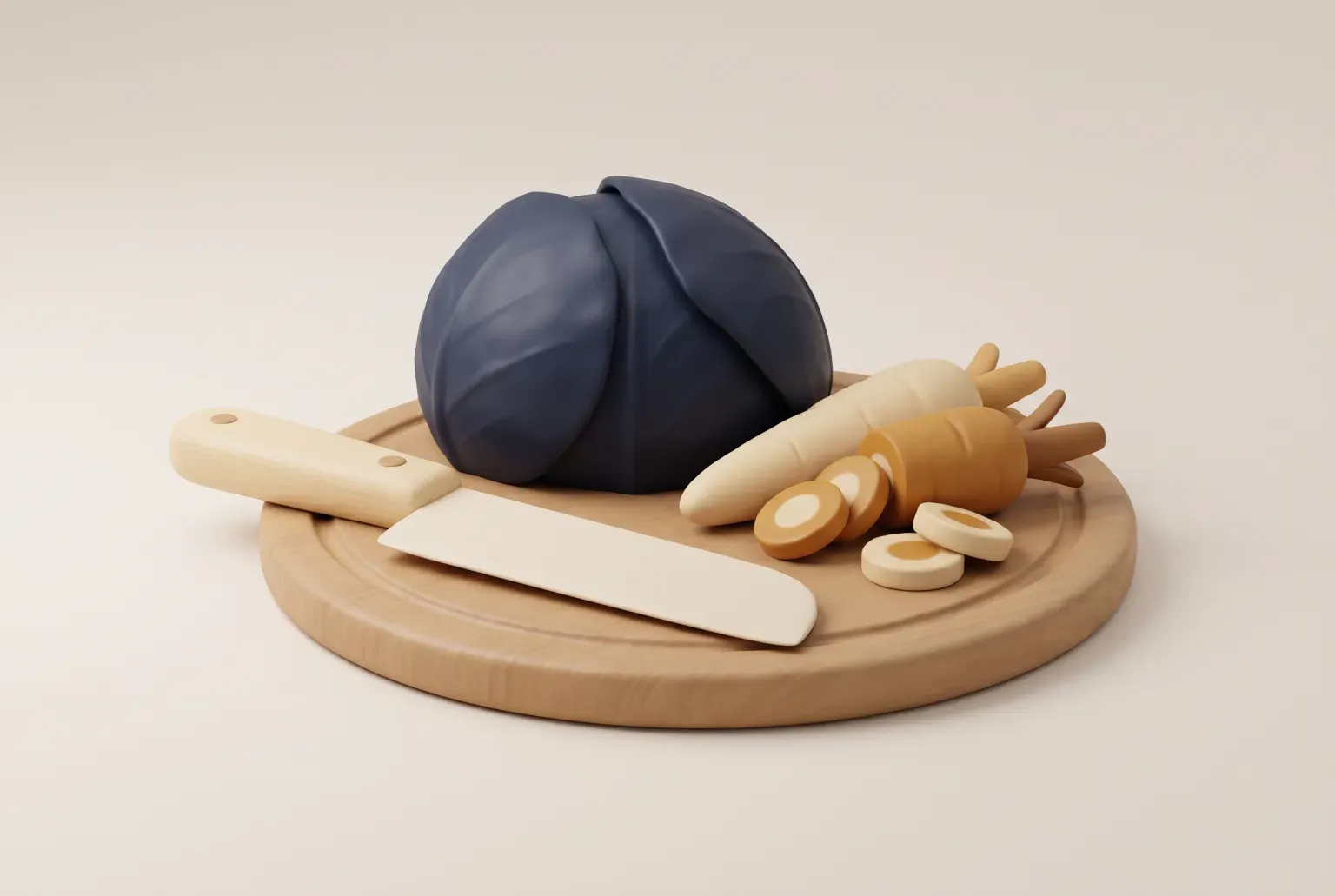
For this guide a nakiri is a Japanese-style vegetable knife: a rectangular blade with a flat edge, made for chopping and slicing produce. We kept listings that name the knife a nakiri and describe vegetable prep, and left out cleavers, chef knives, santoku, usuba and knife sets. The advice comes from Japanese Knife Lab and Serious Eats.
- The flat edge. Japanese Knife Lab says a nakiri’s edge is flat, with no curved belly, so you lift the blade and set it straight down through the food in a push cut. It says the flat edge makes full contact with the board, so every cut releases, where a curved knife can leave slices half-attached. Its tall blade, 50 to 60 millimeters, also keeps your knuckles clear of the board.
- Nakiri, not usuba. Japanese Knife Lab says to confirm you are buying a nakiri and not a usuba, and to buy a double-bevel knife unless you want the single-bevel professional tool and the skill it demands.
- Thin, light blade. Serious Eats preferred nakiri with thinner, lighter blades, close to seven ounces and about two millimeters thick, because they break down root vegetables without mashing produce. The listings here give no weights, so compare them against that.
- Size. Japanese Knife Lab says 165 millimeters, about 6.5 inches, is the default, and that 180 millimeters only suits people who break down big cabbages or daikon on a large board. The Shun Classic 6.5-Inch Nakiri Knife is that size; the other three picks are 7 inches.
- Steel and looks. Japanese Knife Lab says a Damascus pattern is cosmetic and that the core steel, grind and edge do the cutting, and it suggests stainless steel for a first nakiri.
- A vegetable specialist. Japanese Knife Lab says a nakiri is not a meat or fish knife and not a rocking knife. Some listings here, such as the HOSHANHO 7-Inch Nakiri Knife, also advertise meat and fruit, which is the seller’s wording.
What we left out, and why
We read 120 search cards, 96 distinct organic listings, and read the pages of ten finalists. We kept four and left out:
- imarku 7-Inch Nakiri Knife, two listings. Both appear to share review totals with imarku knives already picked in our chef knives guide. One total, 10,649, is within 24 of the imarku 8-inch gyuto’s total read ten days earlier, and Amazon’s own summary calls it a chef knife. The other, 6,179, tracks the imarku santoku’s, with the same star shares.
- Kimura Nakiri Knife. Amazon’s own summary for this listing describes a honing steel, and its size menu runs from 3.7 to 10 inch knives under one review total.
- FINDKING Japanese Nakiri Knife. Its size menu mixes 4-piece and 8-piece knife sets with 5 to 12 inch knives under one review total, and Amazon’s summary does not name a nakiri.
- MOSFiATA 7-Inch Nakiri Chef’s Knife. Its menu runs from paring and boning knives to sets under one review total, and the top reviews we read do not mention a nakiri.
- Global 7-Inch Vegetable Knife. The listing text we read never says nakiri, flat edge or Japanese style, so it does not meet this guide’s definition from its own words.
- HOSHANHO 5.5-Inch size. It shares a review total with the pick we kept.
- Knife sets, santoku, chef, fillet and paring knives, cleavers and an usuba. Not nakiri.
We did not read a Wirecutter page for this topic, so the table has no expert pick. Serious Eats’ best nakiri, a Tojiro, is not among the listings we read.
How we researched
On October 5, 2026 we read the first two pages of Amazon results for “nakiri knife”: 120 result cards, 96 distinct organic listings. AI compared them, set aside sponsored repeats, knife sets, other knife styles and listings whose review totals cover other knives, read the Amazon pages of ten finalists and chose four Japanese-style vegetable knives. AI wrote this guide from that research.
Listings change: we read them on October 5, 2026, and a size, style or seller may differ today. The Amazon text we kept for each product is cut to about 200 characters per bullet, so a feature beyond that text may exist. Several knife pages sell other knives in the same size menu, so a review total may describe more than the knife shown.
Prices, ratings and review counts come from Amazon and were read on October 5, 2026.
Sources
- Japanese Knife Lab: Best Nakiri Knife 2026, read October 5, 2026
- Serious Eats: The 4 Best Nakiri Knives of 2026, read October 5, 2026
Frequently asked questions
What is a nakiri knife used for?
A nakiri is a vegetable specialist, according to Japanese Knife Lab: its flat edge push-cuts cleanly through cabbage, daikon and onion. It says a nakiri does not handle meat or fish well, although the PAUDIN 7-Inch Nakiri Knife and the HOSHANHO 7-Inch Nakiri Knife are also advertised for meat.
Nakiri or santoku: which should you buy first?
Japanese Knife Lab says that if you cook mostly vegetables, buy the nakiri, and if you want one do-everything knife, buy a santoku, which has a gently curved belly. Our chef knives guide covers santoku and gyuto.
What size nakiri should you get?
Japanese Knife Lab says 165 millimeters, about 6.5 inches, is the default, and that 180 millimeters suits big cabbages on a large board. Size the knife by your cutting board. The Shun Classic 6.5-Inch Nakiri Knife is the 6.5-inch pick.
How did TwelveTabs choose these nakiri knives?
TwelveTabs read the first two pages of Amazon results for “nakiri knife” on October 5, 2026, kept listings that name a nakiri for vegetable prep and compared the pages of ten of them. It set aside knife sets, other styles and listings whose reviews cover other knives. AI wrote this guide from that research, and the advice comes from Japanese Knife Lab and Serious Eats. To see what TwelveTabs picks today, run the search yourself with the button on this page.
Related guides
All Kitchen guides
Looking for another product?
Run a real-time search on Amazon and find the perfect listing.