Sleep buying guides for Bamboo Sheets, Buckwheat Pillows, Cooling Pillows and more, each from a real TwelveTabs search of Amazon: we read the top listings and their reviews, rank them by fit, rating, reviews and what sold last month, and pick a winner you can re-run yourself.
How to choose for your sleep
Bedding and sleep gear comes down to materials, measurements and upkeep. The advice below comes from the sources our guides read, such as Sleep Foundation, Sleep Doctor, Mattress Nerd and Wired. Each topic links to the full guide.
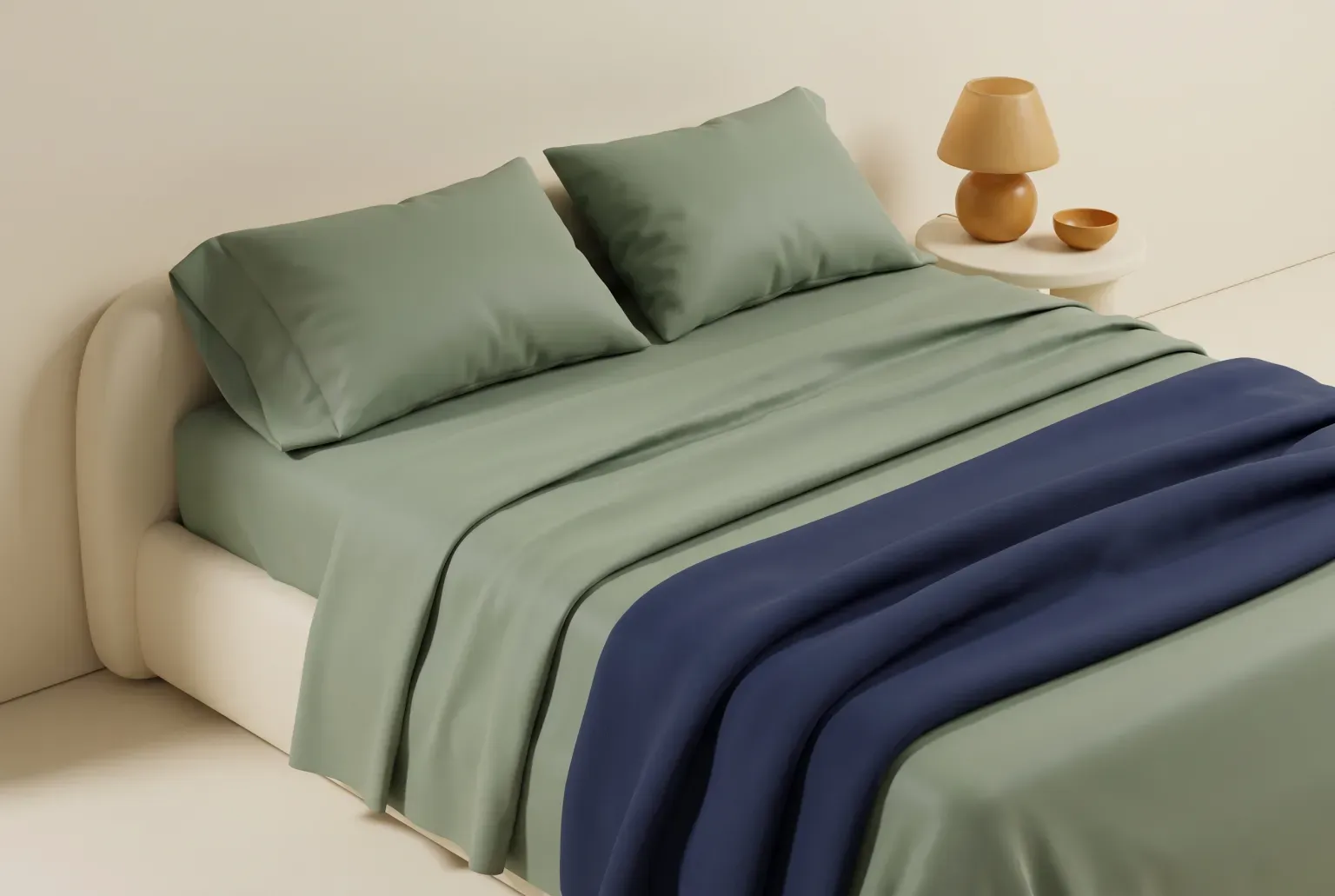
Read the fabric line on the listing. In our cotton and bamboo searches, polyester microfiber sets reached the final round even though the search asked for cotton or bamboo.
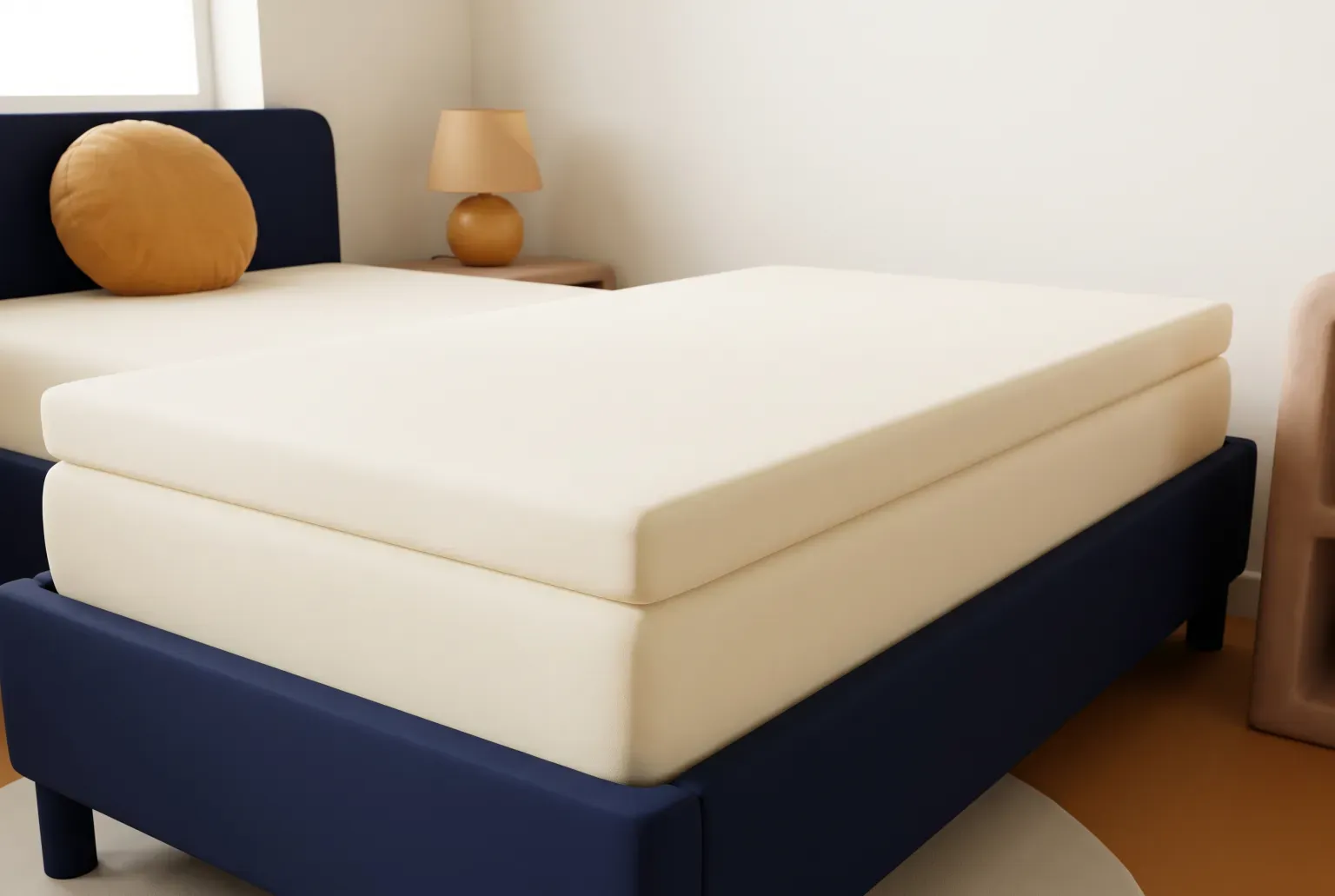
Measure before you buy. Sleep Foundation notes that a 16-inch pocket fits most beds, including thick pillow-tops, and Sleep Doctor says encasements have a maximum height.
Check how it washes. Ann Silvers says a weighted blanket should be machine washable, and Sleep Doctor says most mattress covers go in the washer on a gentle cycle.
Weighted blankets
Ann Silvers says about 10% of body weight is the most common sizing advice.
It calls 48 by 72 inches the typical twin size.
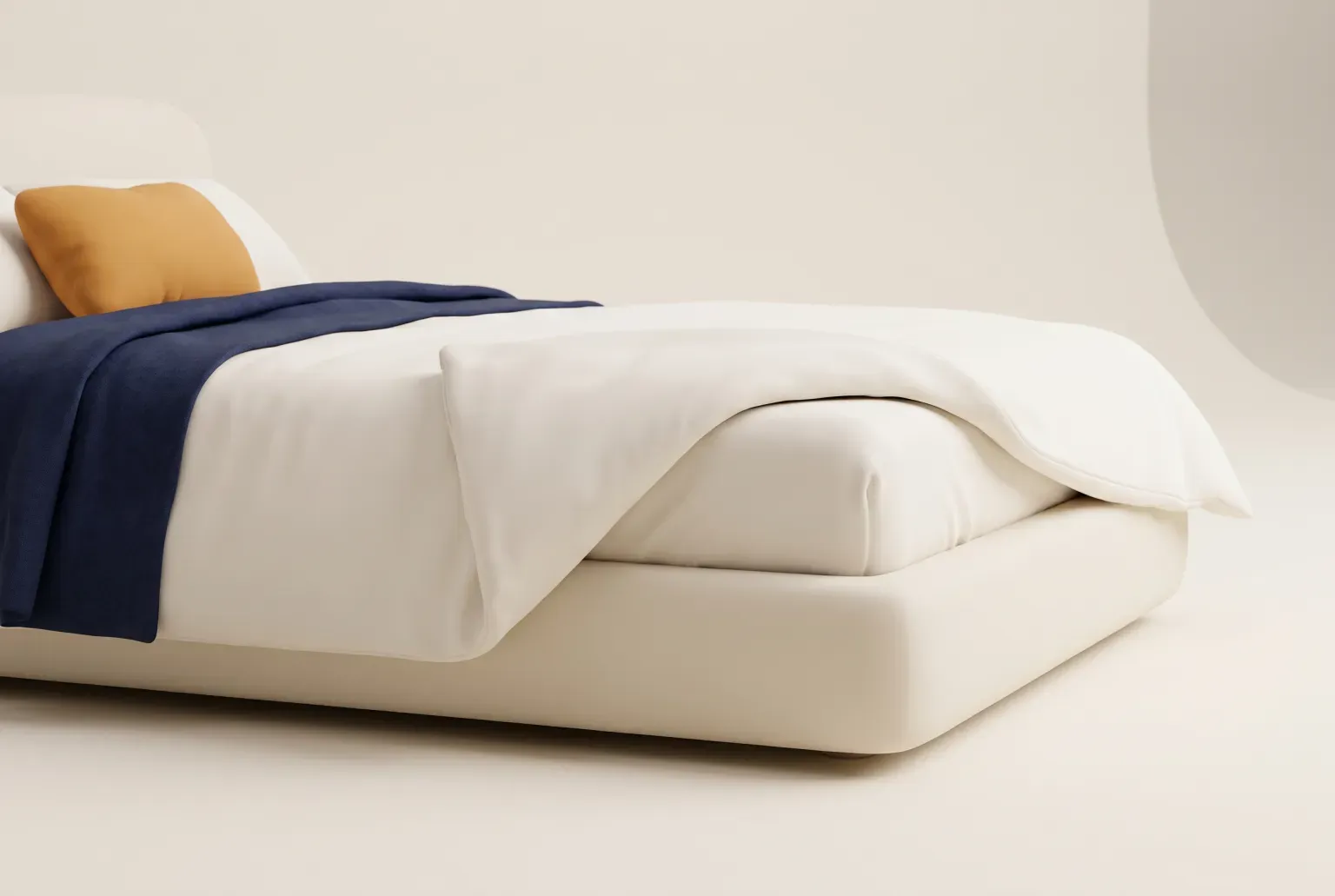
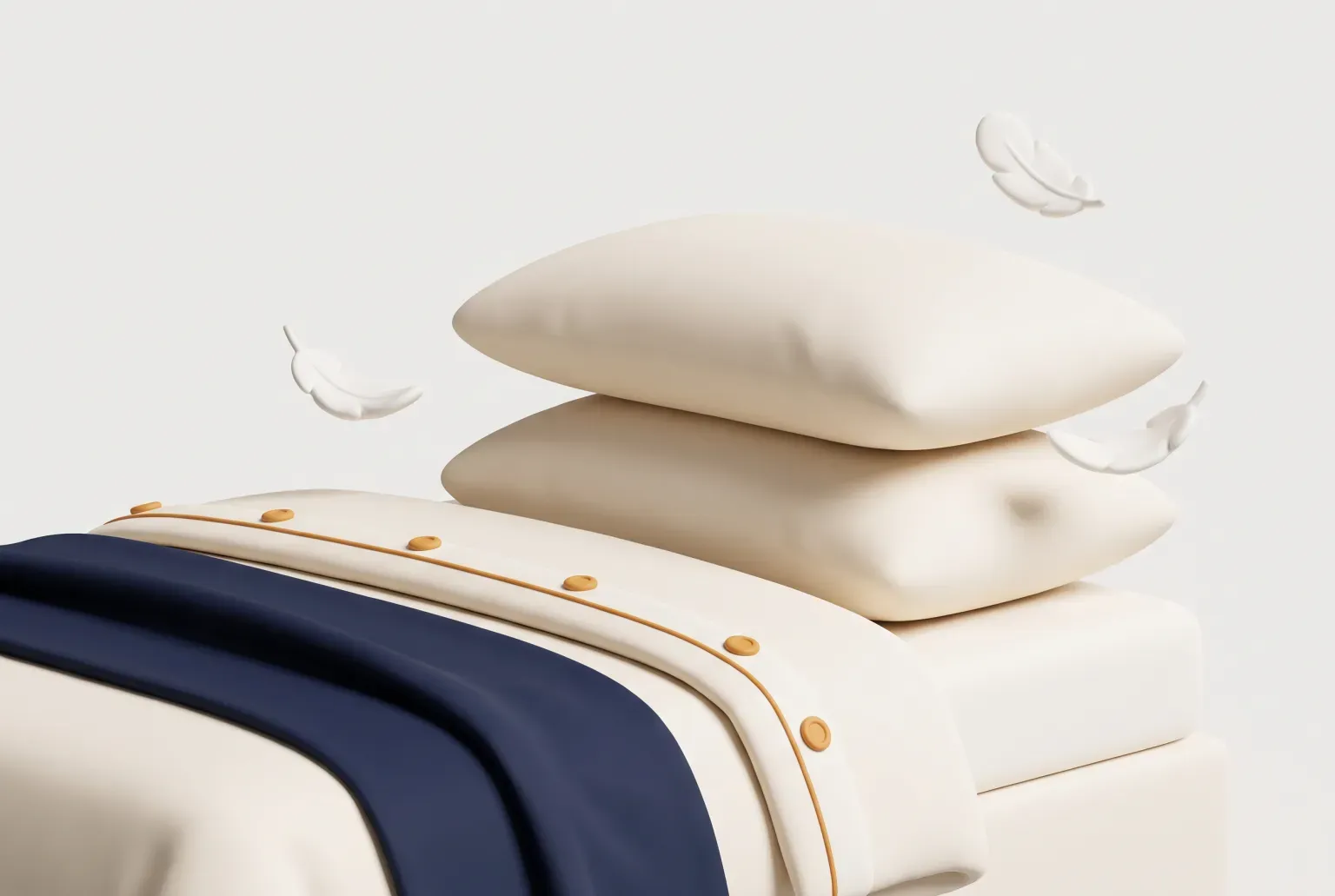
A duvet cover lets you wash the cover often and the heavy inner blanket only when needed.
What to skip: Small pockets. Ann Silvers calls pocket size one of the biggest markers of a poorer blanket and says a small pocket is now 2 by 2 inches.
Sleep Foundation says low loft is 3 inches or less, medium is 3 to 5 and high is over 5, and that mid-loft is usually suitable for back sleepers, side sleepers and people who switch positions.
It says the best way to find your pillow is trial and error, so a pillow with fill you can add or remove, or one that comes in several sizes, makes that easier.
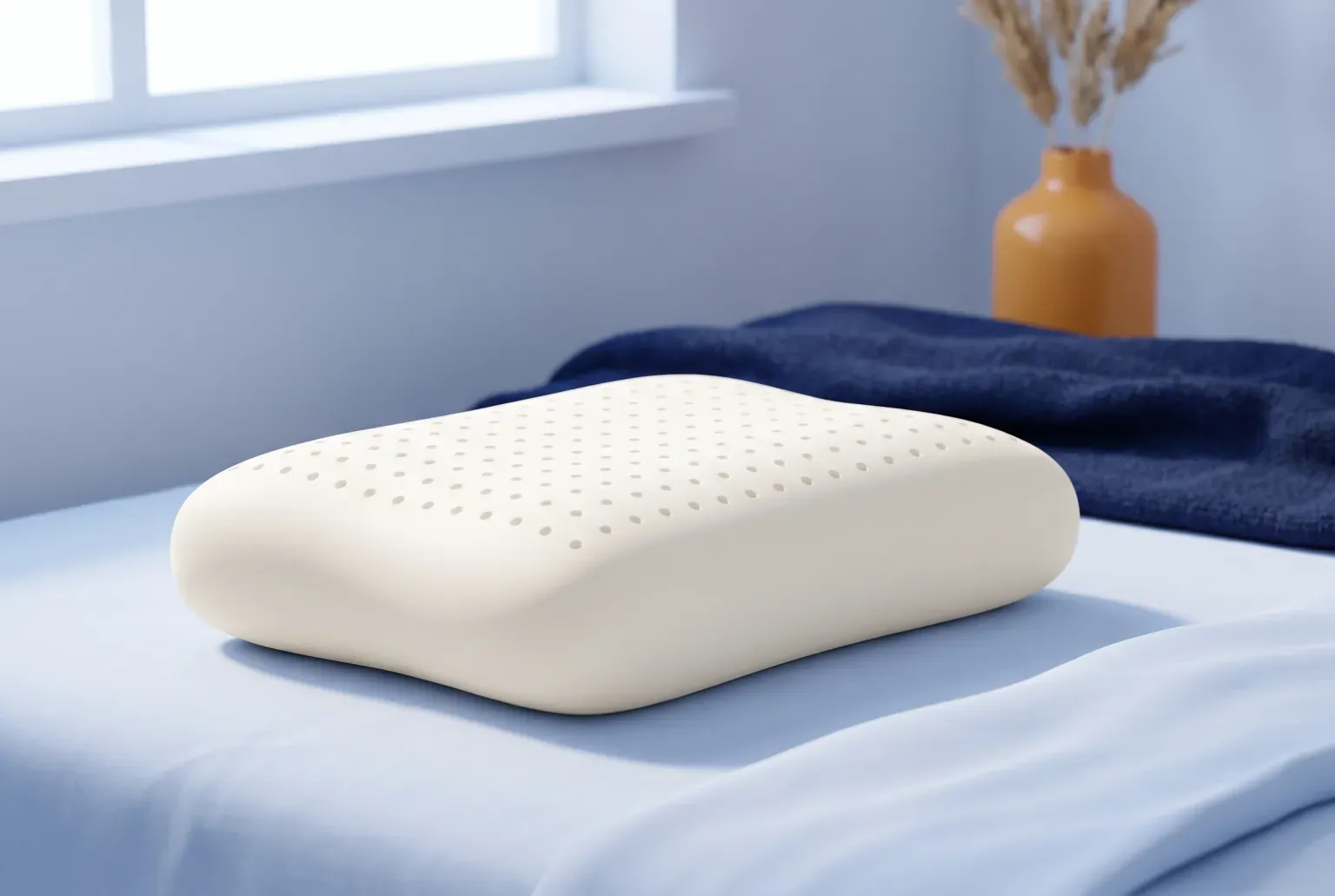
Mattress Nerd says people who sleep on their stomach typically want a flat pillow, and that memory foam can trap heat.
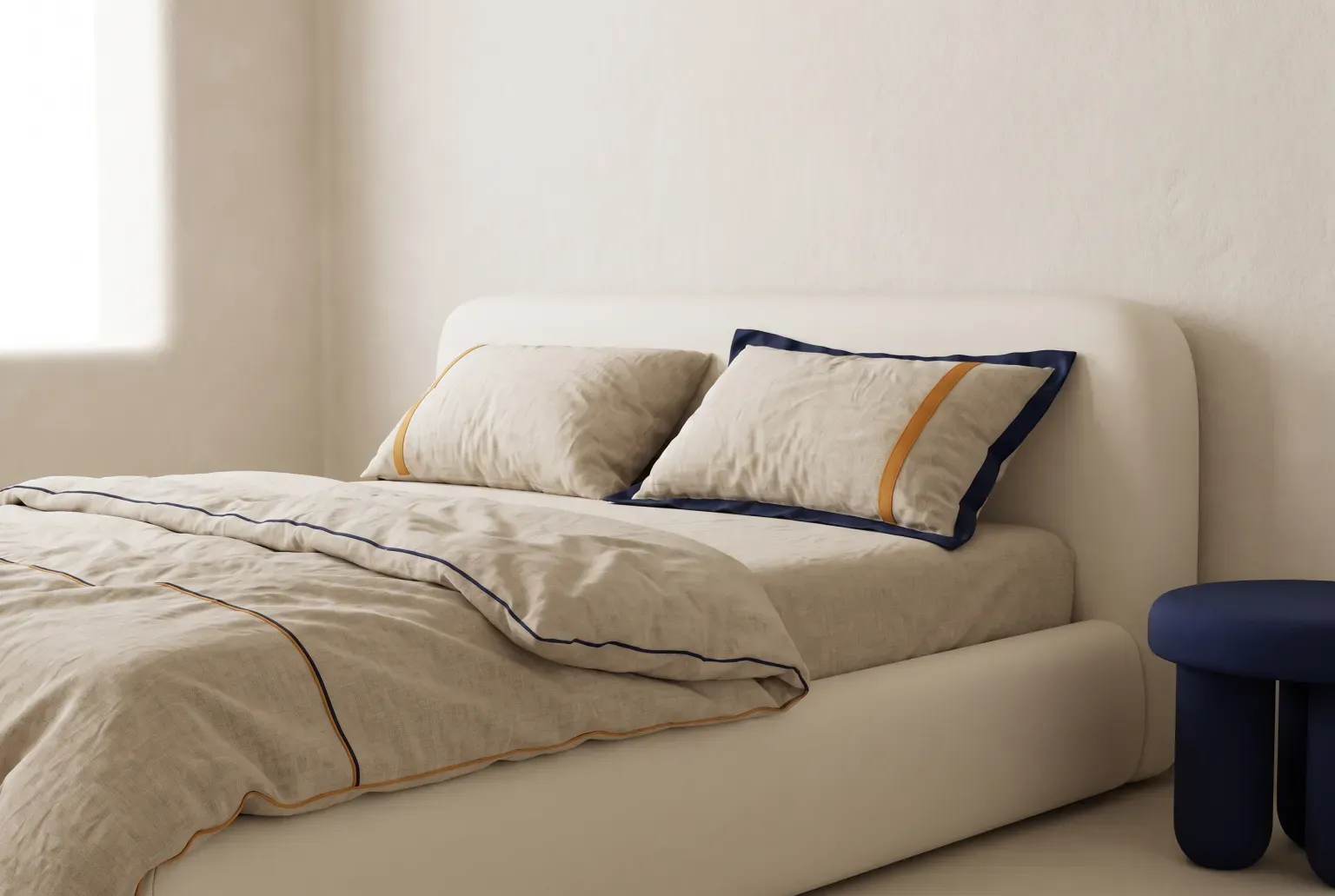
Sleep Foundation explains that cotton can be woven into percale, sateen or twill, or knit into jersey. Percale is crisp, sateen is silky, and jersey stretches like a t-shirt.
Longer-staple fibers are generally softer and stronger, according to Sleep Foundation.
What to skip: Thread count as the quality gauge. Sleep Foundation says it is not the most important gauge of quality, and Sleepopolis adds that it means nothing if the material is not durable.
Sleep Doctor says fitted protectors work like a fitted sheet and suit people who expect to wash often, while encasements fully enclose the mattress on all six sides and can be more of a hassle to fit and remove.
It says waterproof protectors usually have a thin plastic layer, and that cotton is soft and breathable while polyester is thinner, tighter and less breathable.